
Why Anglerfish Thrive in the Deep Sea: Adaptations and Survival Secrets
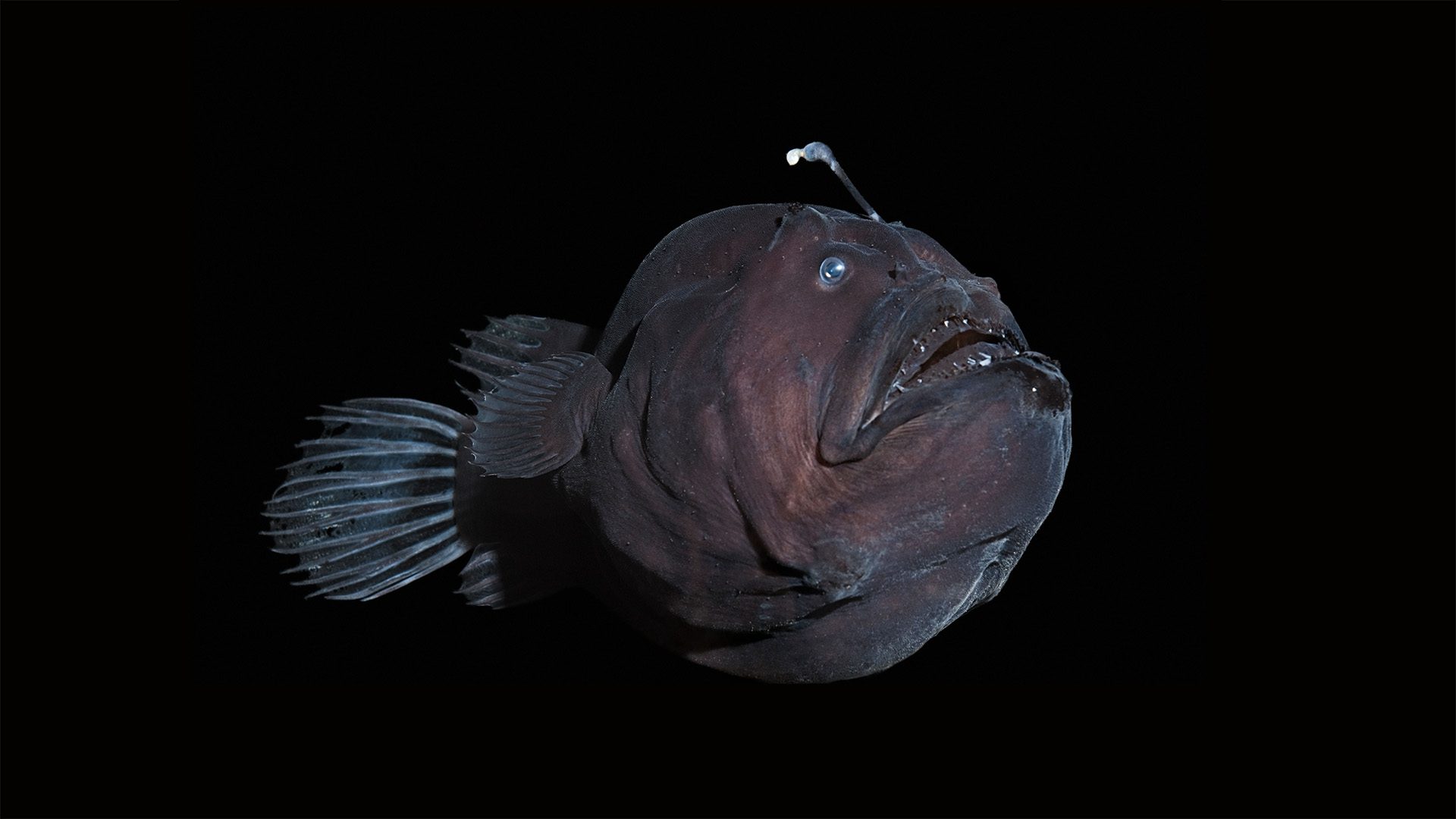
🌊 The deep sea is one of the harshest environments on Earth. It is dark, cold, and full of mystery. Yet, one strange creature not only survives but thrives there, the anglerfish. With their glowing lures and bizarre bodies, anglerfish are living proof of nature’s creativity. This article will take you deep into the ocean and explain why anglerfish thrive in the deep sea. We’ll explore their unique adaptations, survival tactics, and fascinating biology backed by scientific research. 🐠✨
1. Understanding the Deep Sea Environment 🌑
The deep sea begins at about 200 meters below the surface. Light fades quickly, leaving the region in almost total darkness. Temperatures drop close to freezing, and pressure rises to crushing levels. It is one of the least explored regions on the planet.
For most species, survival here is nearly impossible. Yet, anglerfish are perfectly designed for it. Their adaptations make them one of the most successful predators in this alien world.
2. The Iconic Bioluminescent Lure 💡
The most famous feature of the anglerfish is its glowing lure, called the esca. This bioluminescent organ dangles from a stalk on the female’s head. The glow comes from symbiotic bacteria that live inside the lure.
This adaptation helps them attract prey in the pitch-black ocean. Small fish and crustaceans swim close to investigate the light, only to be swallowed whole by the waiting anglerfish. It’s a deadly but brilliant hunting strategy.
3. Perfectly Designed Bodies ⚡
Anglerfish have enormous mouths and expandable stomachs. This allows them to eat prey as large as their own bodies. Food is scarce in the deep sea, so this adaptation ensures they never miss a meal.
Their bodies are soft and flexible, reducing the need for heavy bones. This helps them survive in an environment where conserving energy is essential.

4. Extreme Sexual Adaptation ❤️
One of the strangest things about anglerfish is their mating behavior. Males are tiny compared to females. Instead of living independently, the male fuses with the female, attaching to her body permanently. Over time, he becomes little more than a sperm provider.
This ensures that when a female is ready to reproduce, she doesn’t need to search the endless deep sea for a mate. This unique adaptation increases their survival as a species.
5. Energy Efficiency in the Deep Sea 🔋
Life in the deep sea is slow. Anglerfish have adapted by moving very little and conserving energy. They are ambush predators, waiting motionless in the dark until prey comes close enough to strike.
This low-energy lifestyle allows them to survive in an environment with scarce food sources. Every adaptation is about efficiency and survival.
6. Camouflage and Defense 🛡️
Many anglerfish species have dark, mottled skin that blends perfectly with the deep-sea background. This camouflage keeps them hidden from predators and prey alike.
Some anglerfish even grow spines or unusual body shapes that help break up their outline, making them nearly invisible in the shadows.
7. Role in the Deep Sea Ecosystem 🌐
Anglerfish are more than just strange predators. They play an important role in balancing the food chain. By hunting smaller fish and crustaceans, they keep populations in check.
They are also prey for larger species like sharks. This makes them a vital link in the deep-sea ecosystem.
8. Evolutionary Success Story 📖
Anglerfish have existed for millions of years. Fossil records suggest they have been adapting to deep-sea life since ancient times. Their survival today shows how powerful natural selection can be.
From bioluminescence to strange mating habits, each adaptation tells the story of survival in one of the harshest places on Earth.
9. Human Fascination with Anglerfish 🧑🔬
Scientists study anglerfish not just for curiosity but also for insights into evolution, symbiosis, and survival under extreme conditions. Their glowing bacteria, for example, are being studied for medical and technological applications.
Anglerfish have also captured the imagination of storytellers, appearing in films, books, and documentaries as mysterious creatures of the abyss. 🎥
10. Why Anglerfish Thrive in the Deep Sea 🌊
When you combine their glowing lures, expandable bodies, strange mating strategies, and efficient hunting style, the answer becomes clear. Anglerfish thrive because they are perfectly adapted to their world. Every feature helps them survive where few other species can.
They are living reminders that life can evolve to flourish in even the most extreme environments. That’s why anglerfish remain one of the most fascinating creatures of the deep sea.
FAQs on Why Anglerfish Thrive in the Deep Sea ❓
1. How do anglerfish survive in the deep sea?
✅ They survive using bioluminescence, large mouths, energy efficiency, and unique mating strategies that fit deep-sea life.
2. What do anglerfish eat?
✅ Anglerfish eat fish, squid, and crustaceans. Their expandable stomachs allow them to eat prey almost as big as themselves.
3. Why are male anglerfish so small?
✅ Males are small because their role is to fuse with the female and provide sperm, an adaptation to ensure reproduction in a vast ocean.
4. Do all anglerfish have glowing lures?
✅ Not all, but many deep-sea species use glowing lures to attract prey in the darkness. The glow comes from symbiotic bacteria.
5. Are anglerfish dangerous to humans?
✅ No, anglerfish live in deep oceans far from humans. They pose no threat and are rarely encountered in the wild.
6. How deep do anglerfish live?
✅ Most anglerfish live between 200 and 2,000 meters deep, though some are found even deeper in the midnight zone of the ocean.
7. How long do anglerfish live?
✅ In the wild, anglerfish can live around 20 years, though this depends on their environment and food availability.
8. Why do anglerfish glow?
✅ They glow to attract prey. The light is produced by bioluminescent bacteria living in their lure.
Why Anglerfish Thrive in the Deep Sea 🌌

The anglerfish is a master of survival. With glowing lures, expandable jaws, and unusual mating strategies, they are built for the deep. Each adaptation is a perfect response to life in darkness, cold, and high pressure.
🌟 The next time you think about mysterious ocean creatures, remember the anglerfish. They are living proof that life can adapt and thrive even in the harshest places on Earth. To learn more about the fascinating world of deep-sea creatures, keep exploring and never stop asking questions about the wonders of our oceans. 🌊🐠
