
Why Are Flamingos Pink? The Surprising Science Behind Their Colour
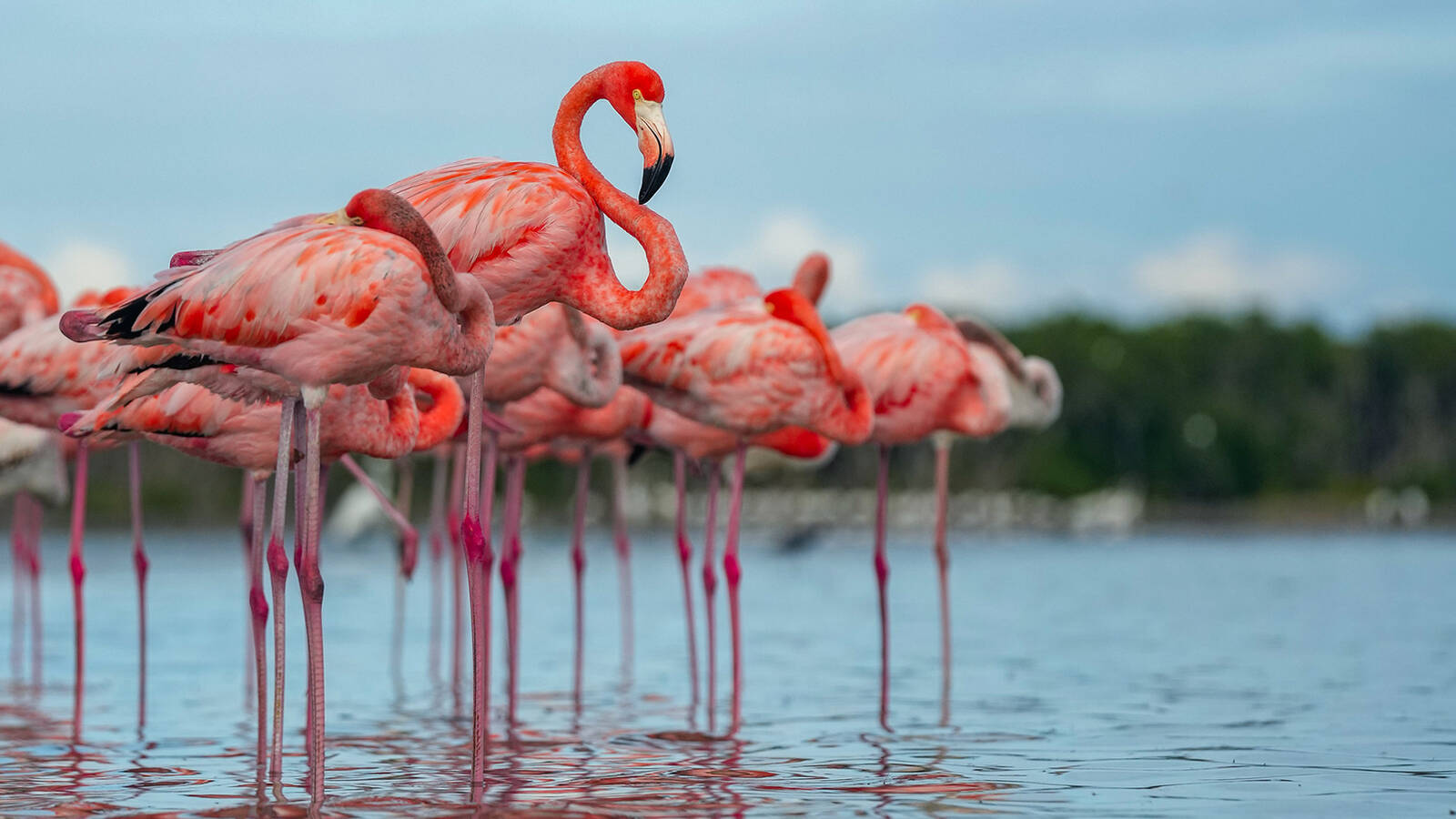
Have you ever looked at a flamingo and wondered, “Exactly why are flamingos pink?” 🦩 This article dives deep. From diet to metabolism, from evolution to mating display, we’ll explore how these graceful birds turn the world a little rosier.
1. Diet: The Colour Starts in the Wetlands
The first step in answering “Why Are Flamingos Pink? The Surprising Science Behind Their Colour” lies in what flamingos eat. These birds feed in shallow salt-lakes, lagoons and mud-flats where algae, brine shrimp and tiny crustaceans abound.
The key ingredient is a class of organic pigments called carotenoids (eg beta-carotene, astaxanthin). These pigments are red-orange in colour and come from plants, algae and small aquatic invertebrates.
2. Metabolism: You Are What You Eat (Literally) ✅
When flamingos ingest foods rich in carotenoids, their bodies metabolise those pigments in the liver and digestive system. The pigments are broken down and then deposited into feathers, skin, and even the bill.
So, in simple terms: if they don’t eat enough carotenoid-rich food, their colour remains pale or grey. Their pinkness is a direct result of diet + metabolism.
3. Colour Variation: Why Some Flamingos Are Pale, Others Bright
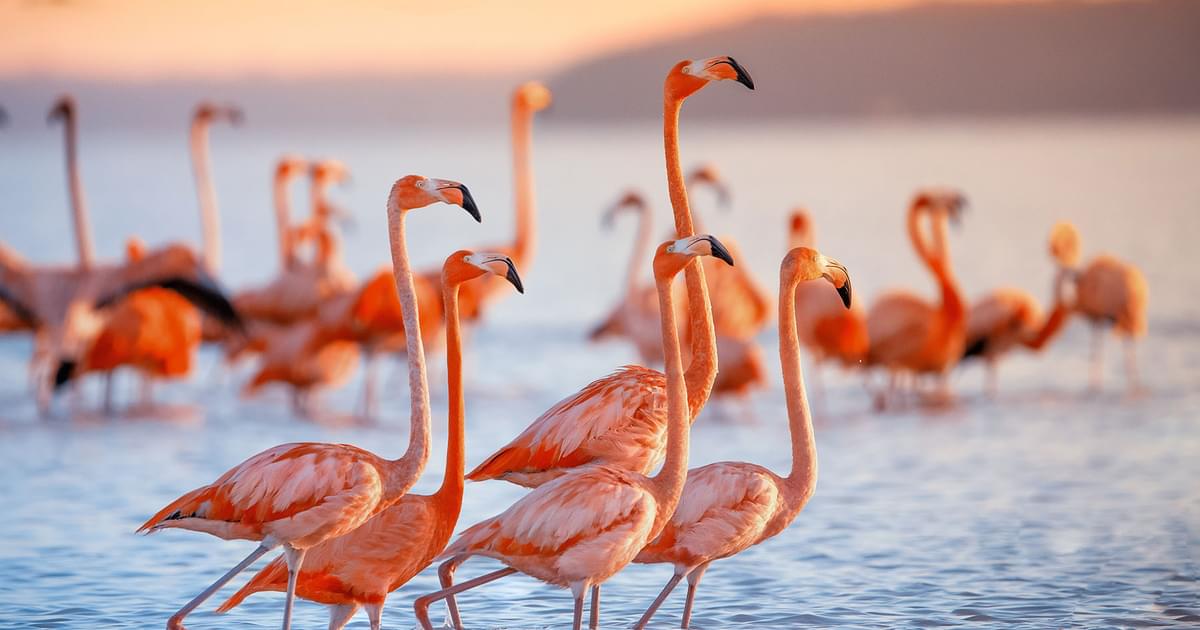
Not all flamingos glow the same shade of pink. Some are a pale blush, others a vibrant coral red. Why? It comes down to species differences, habitat, and diet quality.
Also, younger flamingos hatch grey or white. Over time, once their diet supports it the pink develops.
4. Evolution & Signalling: Pink Means Healthy
Here’s another layer: the pink colour isn’t just pretty, it’s a signal. In many species of flamingos, the brighter the pink, the healthier the bird, the better the forager, and the more attractive to mates.
Thus, when you ask “Why Are Flamingos Pink? The Surprising Science Behind Their Colour”, you’re also uncovering how nature uses colour for communication and survival, not just aesthetics.
5. Habitat & Ecological Factors
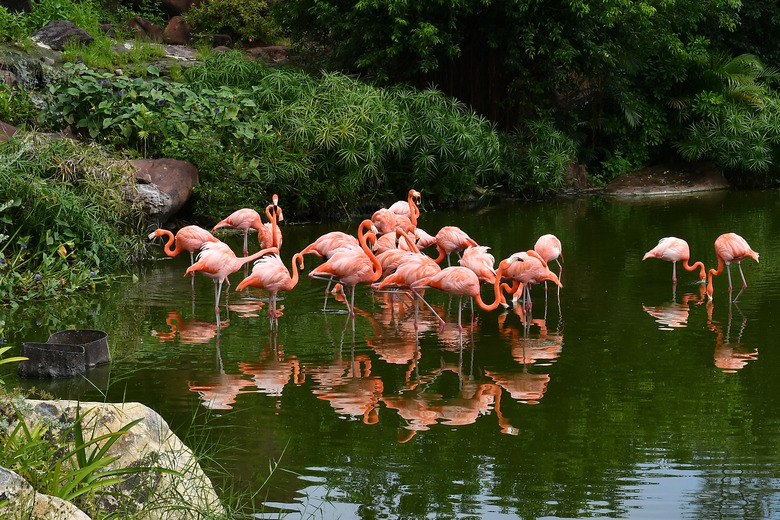
The wetlands flamingos inhabit shape their diet and thus colour. For example, salt lakes rich in algae will provide more carotenoids. If a flock’s food source changes, its colour may fade.
In captivity, zoos often have to supplement carotenoids in the diet so flamingos stay pink. Without it they’d turn pale.
6. Special Adaptations: “Flamingos Wear Make-Up”?
Yes, some flamingos even apply pigment-rich oil from their preen gland onto their feathers to boost colour during mating season. A sort of natural “make-up”!
That adds an extra layer of richness when we ask, “Why Are Flamingos Pink? The Surprising Science Behind Their Colour”: it’s diet, yes, but also behaviour and signalling.
Frequently Asked Questions (FAQs)
1. What exactly causes the pink colour in flamingos?
✅ The pink comes from carotenoid pigments in the diet algae, brine shrimp, crustaceans—which flamingos metabolise and deposit in feathers and skin.
2. Do flamingos turn pink immediately after hatching?
✅ No. Flamingo chicks are born grey or white. Over the next 1-3 years (depending on species and diet) they gradually become pink.
3. Does a brighter pink colour mean a healthier flamingo?
✅ Yes. Studies show that more vibrant colour signals better feeding success and health in many flamingo species.
4. What pigments are involved in flamingo colouration?
✅ Key pigments include beta-carotene, astaxanthin, and canthaxanthin types of carotenoids processed and deposited by the bird.
5. If a flamingo changed its diet, would its colour fade?
✅ Yes. A flamingo deprived of carotenoid-rich food will lose pigment over time, and its feathers will grow pale.
6. Are all flamingo species equally pink?
✅ No. Species, region, diet, and individual health all affect shade. Some appear light pink, others deep red.
7. Can humans turn pink by eating lots of carrots like flamingos?
✅ Not quite. Humans would need enormous amounts of carotenoids for skin-colour change, and our metabolism is different. Flamingos are specialised for this.
8. Why do flamingos live in very salty places?
✅ Their habitats (salt pans, alkaline lakes) support the algae and tiny crustaceans packed with carotenoids. So the habitat provides both food and pigment.
9. Do flamingos have any other reason for their pink colour beyond diet?
✅ Yes. Beyond diet, the colour helps in mating displays, social status, and possibly protection (via health signal).
10. Do flamingos ever apply “make-up” to stay pink?
✅ Surprisingly, yes. Some flamingos use pigmented oil from their preen gland to enhance their colour, especially during courtship.
Conclusion
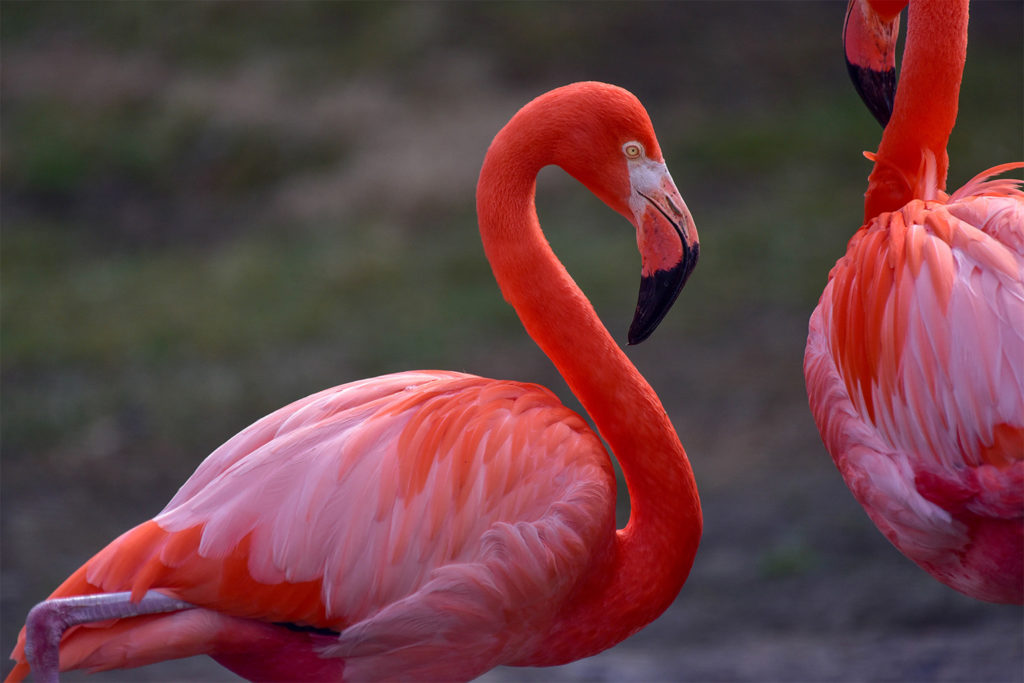
In summary, when we ask “Why Are Flamingos Pink? The Surprising Science Behind Their Colour” we uncover a multi-layered story: diet packed with carotenoids, metabolic processing that deposits pigment, habitat choices that sustain their food chain, and evolutionary signalling that rewards vibrant colour. 🦩 When you next see a flamingo standing on one leg in shimmering pink, you’ll know you’re witnessing an entire chain of biology, ecology, and behaviour in one elegant bird. Learn more, visit a wetland, or explore a flamingo colony and let their colour tell you a story of survival, adaptation, and beauty.
